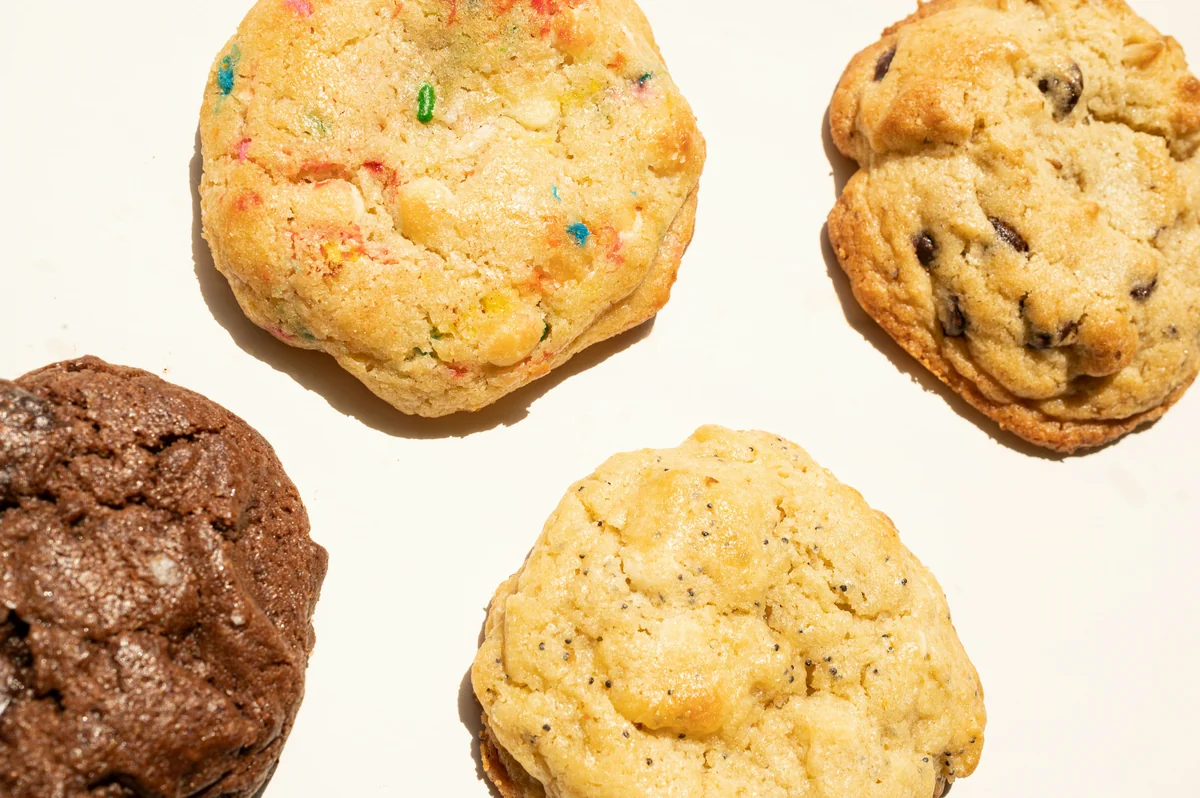
Fat and Weird Cookies are deliberately oversized, unevenly shaped cookies with a soft center, crisp edges, and a high ratio of mix-ins to dough. The surprise: King Arthur Baking’s ingredient weight chart lists 1 cup of all-purpose flour as 120 grams, yet many home bakers pack noticeably more into the same cup when measuring by volume.
Table of Contents
- What Fat and Weird Cookies Actually Are
- The Ingredient Formula for Fat and Weird Cookies
- Flour, Fat, and Sugar: The Three-Layer Formula
- Mixing and Shaping Fat and Weird Cookies
- The Torn Dough Stacking Method
- Baking Fat and Weird Cookies at the Right Temperature
- Oven Temperature Checks
- Storing and Serving Fat and Weird Cookies
- Can I Make Gluten-Free Fat and Weird Cookies?
- Why Did My Fat and Weird Cookies Spread Too Thin?
- What Is the Best Pan or Liner for Fat and Weird Cookies?
- Can I Make Fat and Weird Cookies Without Eggs?
- How Do I Know When Fat and Weird Cookies Are Done but Still Soft?
- Conclusion
That single difference explains why so many batches turn out dry, flat, or tough.
Bakers often chase thick, bakery-style results but end up with greasy, spread-out disks because they treat the dough like standard drop cookies. These five secrets cover the ingredient formula, mixing method, shaping technique, oven temperature, and storage choices that make the style work.
You do not need a bakery oven or specialty ingredients; you only need to stop trying to make them neat.
What Fat and Weird Cookies Actually Are
Fat and Weird Cookies are not a single recipe. The name describes a style where thick, lumpy dough balls meet a high ratio of add-ins. The goal is a cookie that rises high in the center, spreads unevenly, and shows visible pockets of chocolate, nut, or caramel on the surface.
A common scenario: a baker divides dough into neat, uniform rounds, chills them, and still gets thin cookies because the dough was over-creamed or too warm. In the Fat and Weird Cookies approach, you keep the dough rough and scoop it into tall, jagged piles. The irregular surface creates more browned edges, which improves flavor through the Maillard reaction.
The wet-to-dry ratio matters more than adding an extra egg. Most butter adds both fat and water; the water creates steam during baking, while cold chunks of butter leave tiny pockets. Those pockets are part of what makes the texture feel thick rather than cakey.
How to apply this: treat roughness as a feature, not a flaw, and aim for dough pieces that are taller than they are wide before baking.
The Ingredient Formula for Fat and Weird Cookies
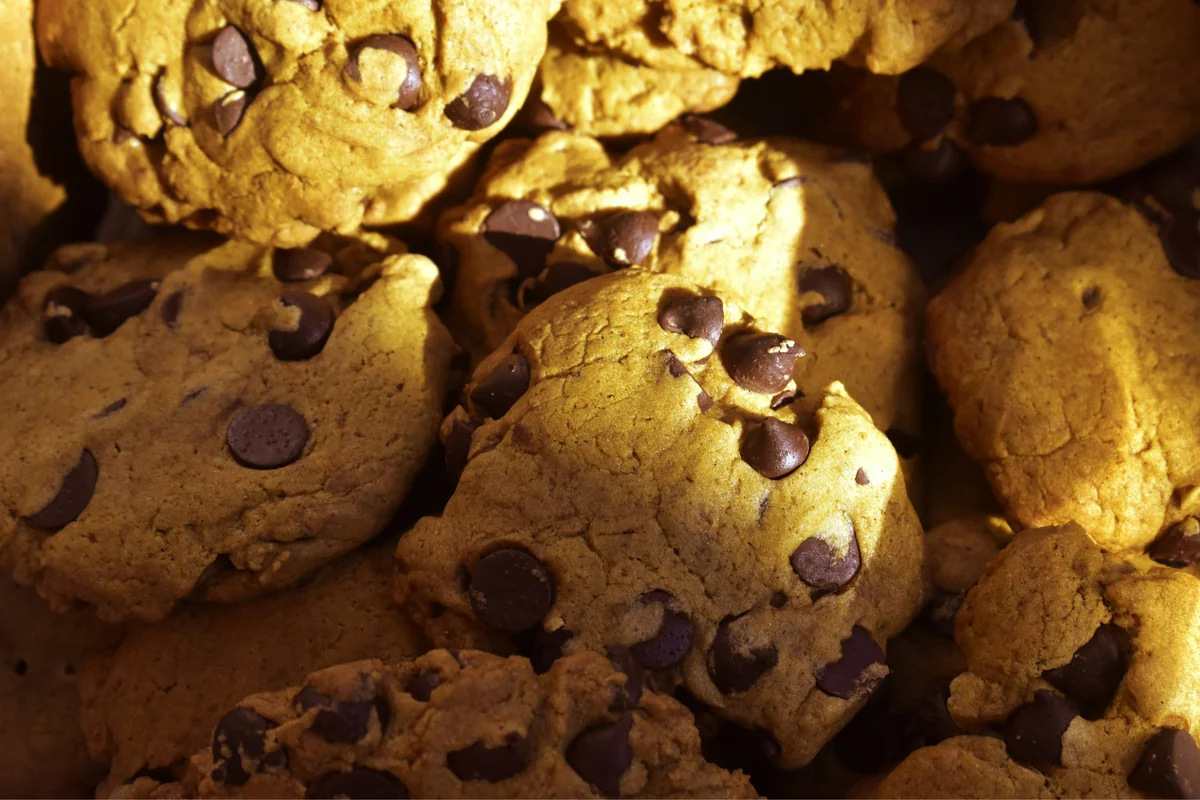
Getting the ingredient formula right is the fastest way to turn flat disks into Fat and Weird Cookies with height. The biggest variable is flour. King Arthur Baking’s ingredient weight chart lists 1 cup of all-purpose flour as 120 grams.
If you scoop directly from the bag, the same cup can hold significantly more, which makes the dough dry and stiff.
Flour, Fat, and Sugar: The Three-Layer Formula
The fat in the dough should come from real butter, not whipped or reduced-fat substitutes. Butter that is at least 80% milkfat creates the steam pockets that push a thick cookie upward. Brown sugar adds more moisture than white sugar and also brings slight acidity that helps Fat and Weird Cookies spread less.
An extra egg yolk increases richness without making the dough runny.
| Ingredient | What it does | Action to take |
|---|---|---|
| All-purpose flour | Builds structure | Weigh it at 120 grams per cup |
| Cold unsalted butter | Creates steam pockets | Cut into chunks and chill dough |
| Dark brown sugar | Adds moisture and chew | Swap half of the white sugar |
| Extra egg yolk | Adds fat and tenderness | Add one yolk per batch |
| Chopped chocolate chunks | Creates uneven texture | Chop bars instead of chips |
When you measure by weight using a kitchen scale from KitchenAid or a similar brand, you remove the guesswork that causes inconsistent Fat and Weird Cookies.
How to apply this: use 120 grams of flour per cup, swap in dark brown sugar, and add one extra yolk to the dough.
Mixing and Shaping Fat and Weird Cookies
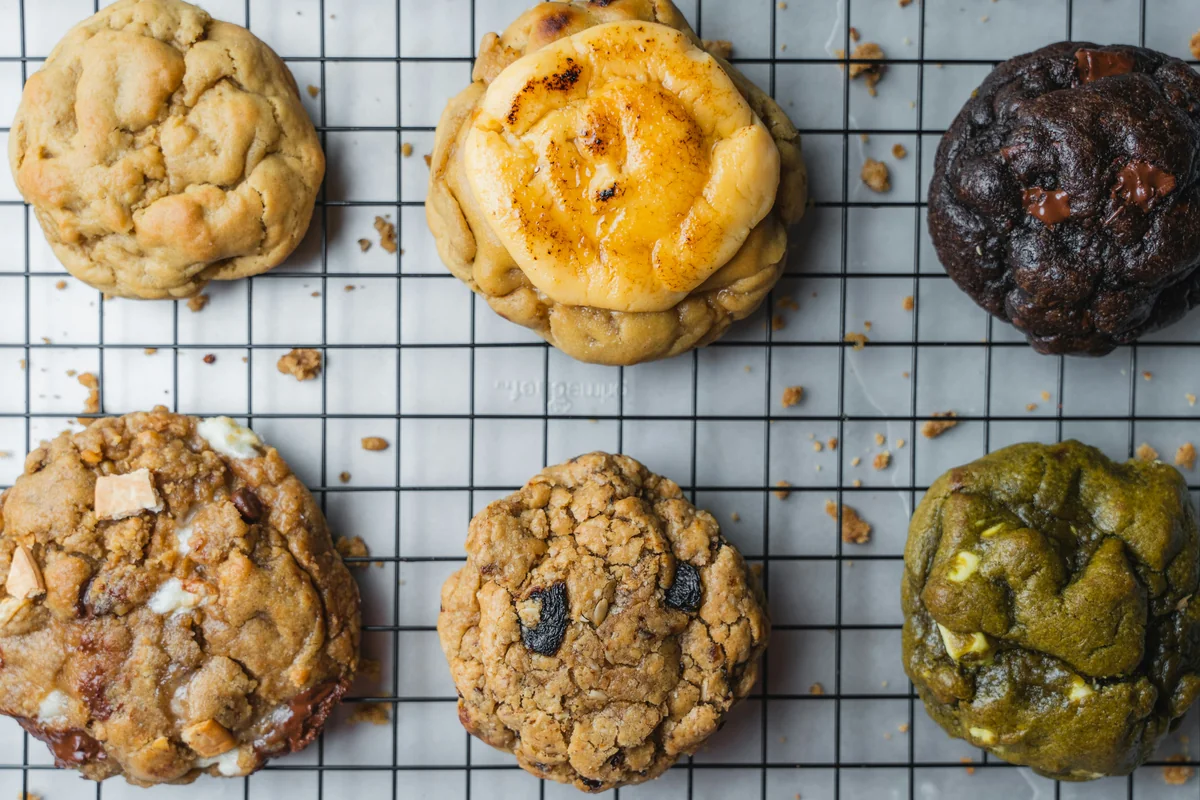
Overmixing is the main reason Fat and Weird Cookies turn out flat, not thick. Creaming butter and sugar too long adds excess air. That air expands in the oven and then collapses as the cookies cool. You want the dough to look just combined, with a few streaks of flour still visible.
Consider this: a wet-looking, shaggy dough often feels wrong, but it produces the most tender crumb. Once the flour is fully hydrated, the gluten can develop enough to hold the add-ins without making the cookie tough. Stop mixing as soon as no dry flour pockets remain.
The Torn Dough Stacking Method
Shaping matters just as much. Use a 3-tablespoon scoop and tear each portion in half, then stack the two rough halves with the torn edges facing up. This creates natural cracks and gives Fat and Weird Cookies their irregular height. A KitchenAid stand mixer with a paddle attachment works well for this; just run it on low speed.
How to apply this: mix on low, stop at the shaggy stage, and stack torn dough pieces instead of rolling them smooth.
Visit the Fat and Weird Cookie Official Website →
Baking Fat and Weird Cookies at the Right Temperature
Temperature control decides whether Fat and Weird Cookies finish with crisp edges and soft centers. Most standard cookie recipes call for 350°F, but thick, mix-in-heavy dough often bakes more evenly at 325°F to 350°F because the center needs time to set before the outside burns. An oven that runs hot will make the dough set too fast and spread less.
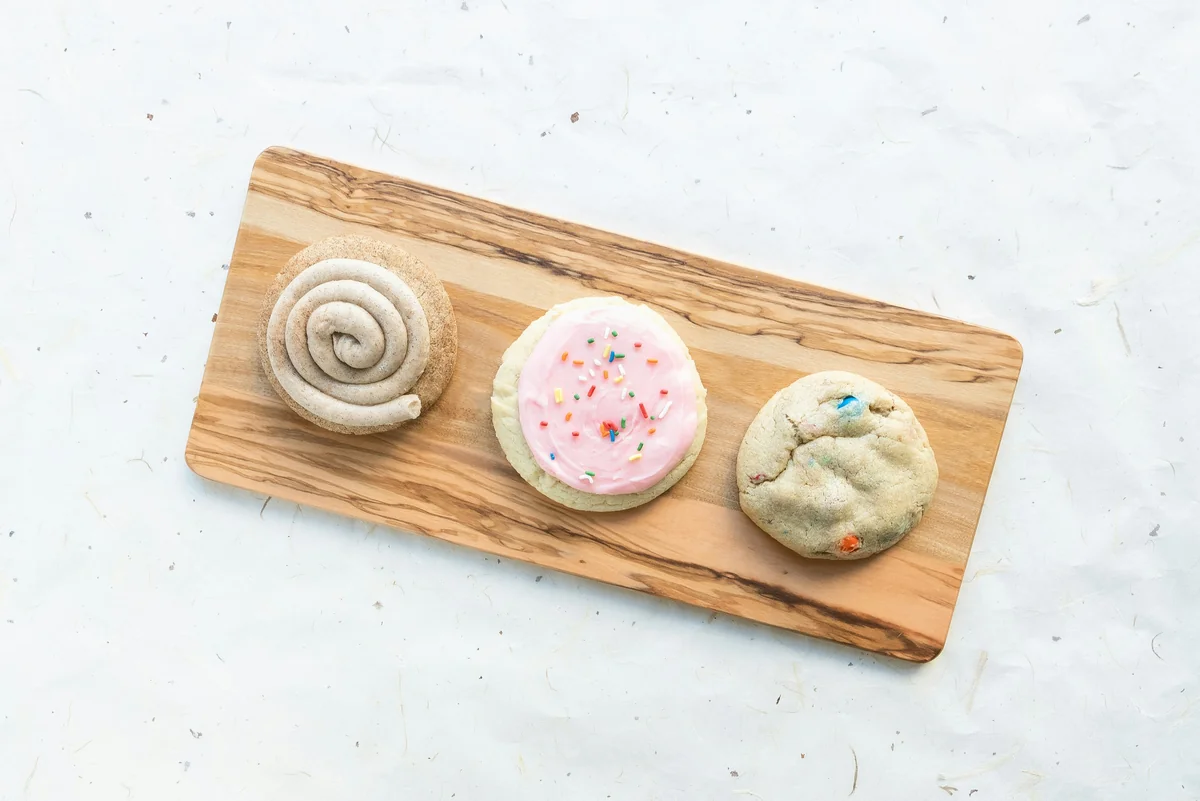
The USDA Food Safety and Inspection Service explains that raw flour and raw eggs can carry harmful bacteria, so the dough should be baked until the centers are set and no longer shiny. That food safety rule also matches the visual cue for a properly baked Fat and Weird Cookies batch: edges browned, interior puffed but not raw.
Oven Temperature Checks
Use an oven thermometer from ThermoWorks to check your actual oven temperature. Many home ovens run noticeably above or below the dial setting, which changes bake time and texture. Rotate the pan once halfway through so the irregular shapes brown evenly.
How to apply this: preheat fully, verify the real temperature with an oven thermometer, and pull the cookies when the edges are golden but the center still looks slightly underdone.
Storing and Serving Fat and Weird Cookies
Fat and Weird Cookies change texture as they cool, and storage can either preserve the contrast or turn them soft. Let them cool on the sheet for about 5 minutes, then move them to a wire rack. The carryover heat finishes the center without overbaking the edges.
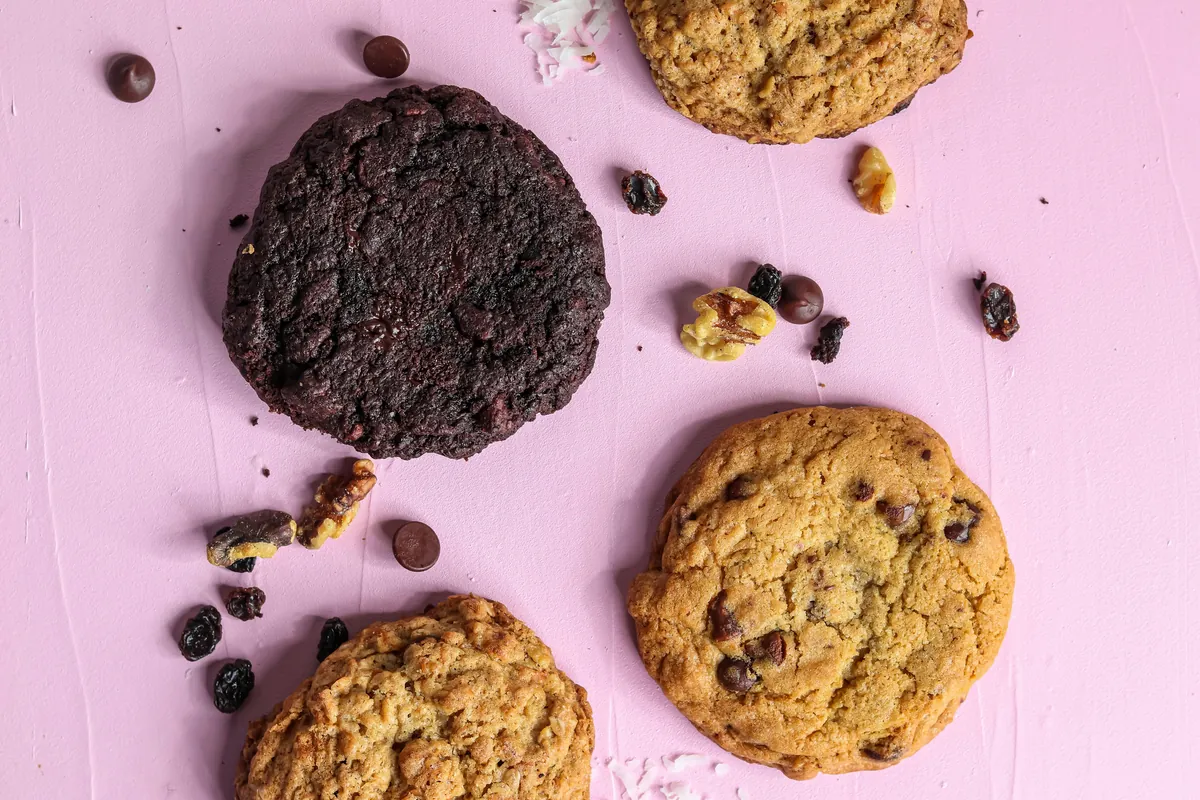
For same-day serving, keep the cookies uncovered on a rack. For longer storage, let them cool completely and layer them in an airtight container with parchment paper between rows. If the edges soften overnight, place the cookies in a 300°F oven for 3 to 4 minutes to restore crunch.
Freezing works better for dough balls than for baked cookies; freeze shaped Fat and Weird Cookies on a tray, then transfer the frozen dough to a zip-top bag and bake from frozen with a few extra minutes on the timer.
One useful approach: bake only half the batch right away and freeze the rest. That gives you fresh, thick cookies later without remixing or reshaping anything.
How to apply this: cool baked cookies fully before storing, freeze raw dough balls individually, and reheat at 300°F for 3 to 4 minutes to refresh texture.
Visit the Fat and Weird Cookie Official Website →
Frequently Asked Questions About Fat and Weird Cookies
Can I Make Gluten-Free Fat and Weird Cookies?
Yes. Use a 1-to-1 gluten-free baking flour that contains xanthan gum, and let the dough rest for 15 minutes so the flour hydrates. The dough for gluten-free Fat and Weird Cookies may feel stickier, so chill it for an hour before scooping. This reduces spread and keeps the thick shape.
Avoid pressing the cookies flat; keep them in rough, tall piles.
Why Did My Fat and Weird Cookies Spread Too Thin?
Thin cookies usually mean the butter was too warm, the dough was not chilled, or the pan was overgreased. If your Fat and Weird Cookies spread into flat puddles, chill the dough for at least one hour before baking.
Another exception: very dark nonstick pans transfer more heat and can increase spread, so line the pan with parchment and rotate it halfway through.
What Is the Best Pan or Liner for Fat and Weird Cookies?
A heavy aluminum baking sheet with parchment paper is the most reliable choice. Dark nonstick pans can overbrown the bottoms of Fat and Weird Cookies before the centers set. If you only have dark pans, lower the oven temperature by about 15 degrees.
Silicone mats work, but they often hold less heat at the surface and can make the cookie bottoms pale.
Can I Make Fat and Weird Cookies Without Eggs?
You can replace each egg in Fat and Weird Cookies with 3 tablespoons of warm water mixed with 1 tablespoon of ground flaxseed, or use 1/4 cup of unsweetened applesauce per egg. The texture will be slightly cakier and the cookies may spread a little more. Chill the dough for an hour and keep the scoop tall.
How Do I Know When Fat and Weird Cookies Are Done but Still Soft?
Look for dry, golden edges and a center that still looks slightly underbaked but no longer wet on top. The internal heat continues cooking after you remove the pan, so this is the safest cue for Fat and Weird Cookies. If the entire cookie looks set in the oven, it will likely be crisp or dry after cooling.
Start checking two minutes before the recipe’s minimum time.
Conclusion
Fat and Weird Cookies work when you stop trying to make them neat. The key takeaways:
– Measure flour by weight at 120 grams per cup instead of scooping.
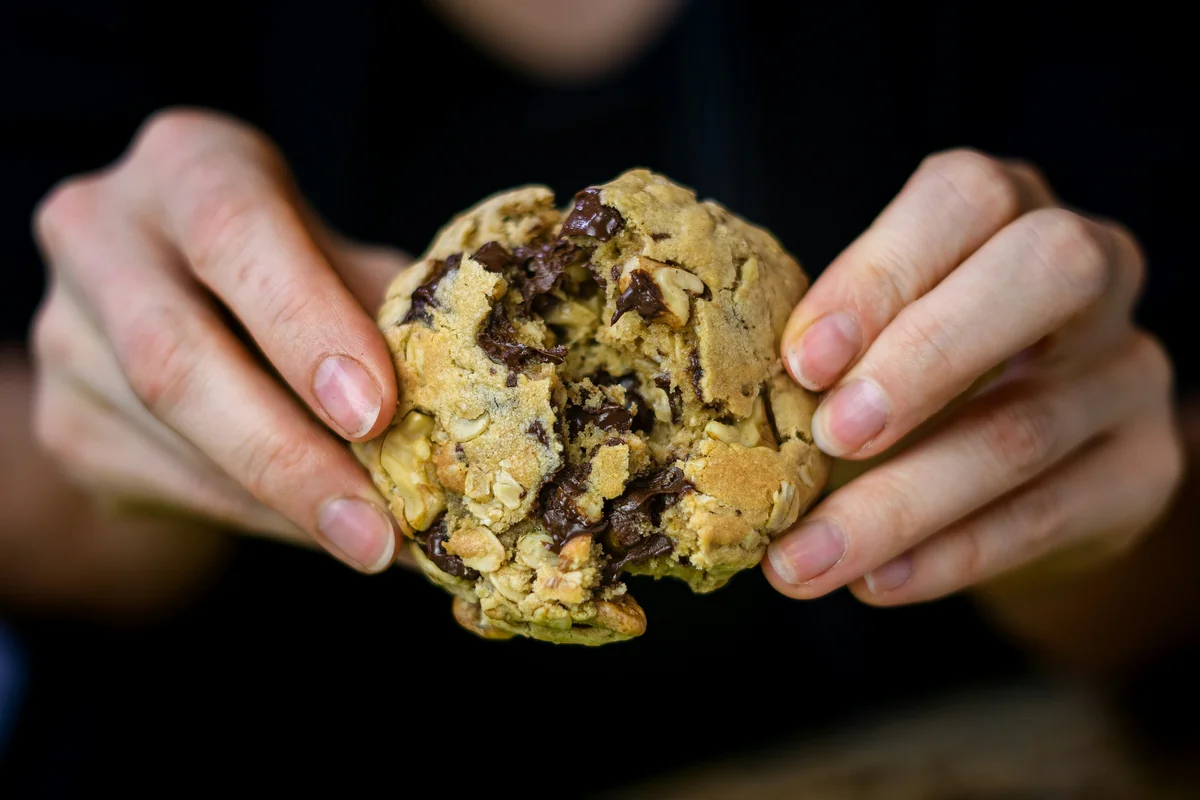
– Keep butter cold, mix just until combined, and stack torn dough pieces for height.
– Bake at a verified temperature and pull the pan when the centers are slightly underdone.
– Freeze shaped dough balls so you always have a fresh batch ready.
Start with one batch this week. Weigh the flour, chop your own chocolate, and keep the dough rough. The next tray of Fat and Weird Cookies will be thick, uneven, and genuinely better.
Visit the Fat and Weird Cookie Official Website →