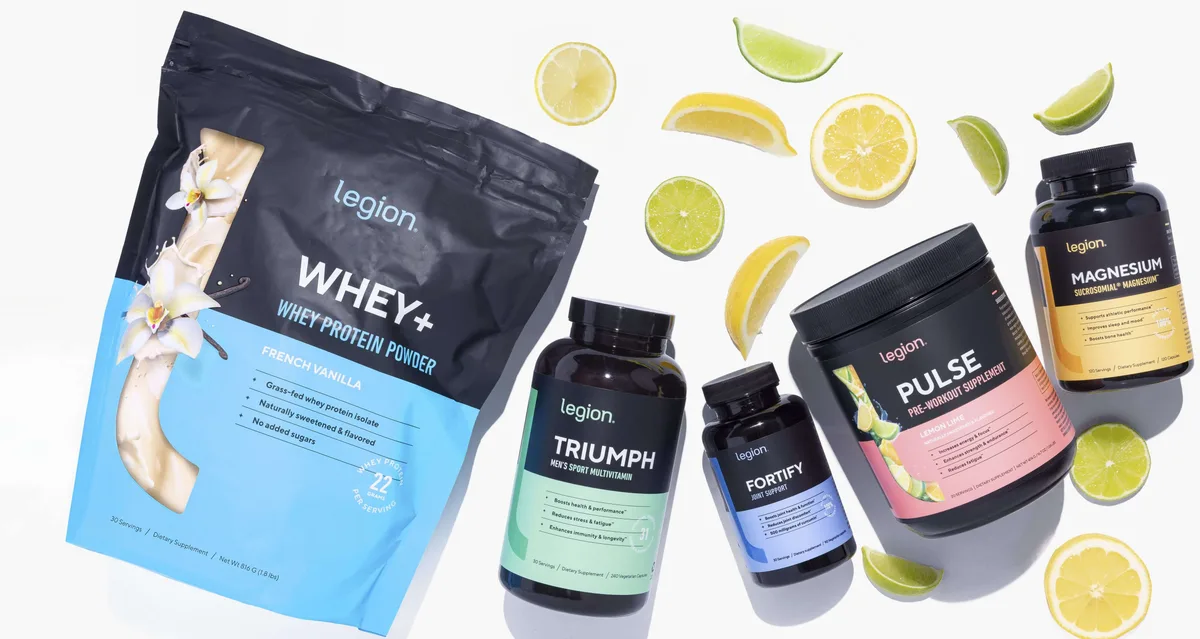
You’re standing in the supplement aisle with two tubs in your cart: one milk-based, one plant-based. Then your stomach remembers the last “easy” shake, and suddenly this feels like a bigger decision than it should. Legion’s Whey+ and Plant+ serve different needs, so the smart pick is the one you’ll digest, enjoy, and actually mix on a busy day.
Quick Take
- Choose Whey+: Dairy suits you and you prefer a lighter shake.
- Choose Plant+: You avoid dairy or eat vegan.
- Check first: Protein grams, allergens, flavor, and texture.
- Compare alternatives: You need ready-to-drink servings or specialized certification.
Bottom line: Legion is worth a second look when you want clearly presented whey and plant formulas with flavor choice. It’s a weaker fit if milk causes problems, plant textures bother you, or you need a medically tailored product.
What Legion Offers
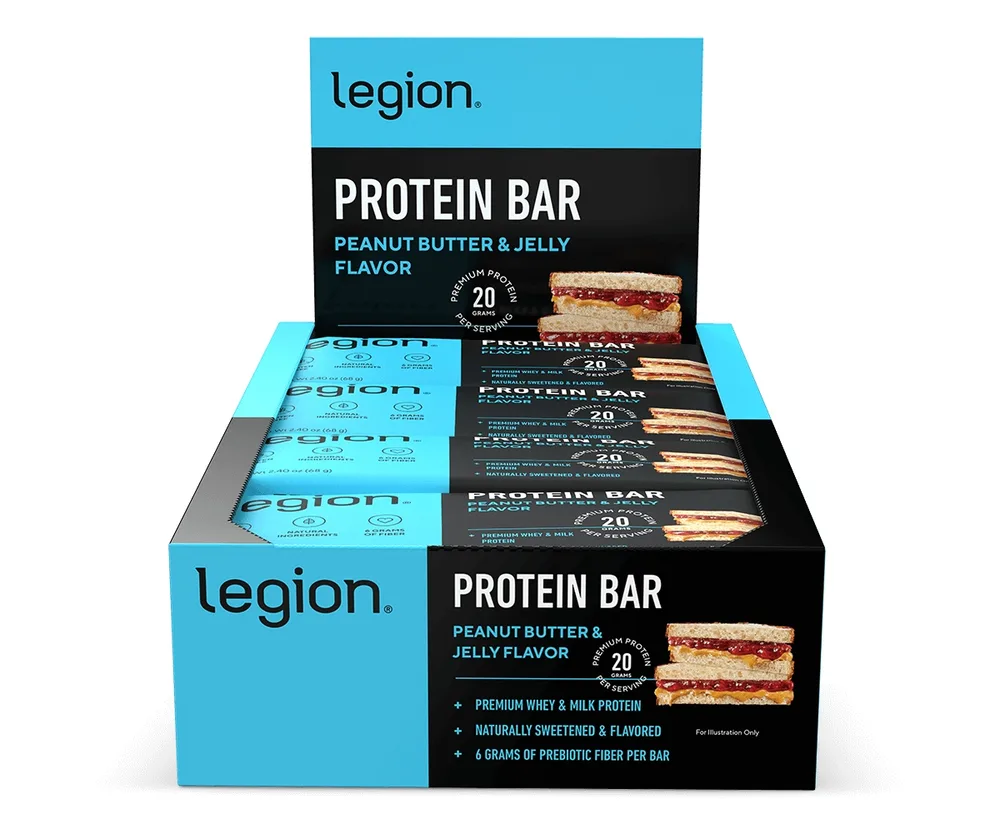
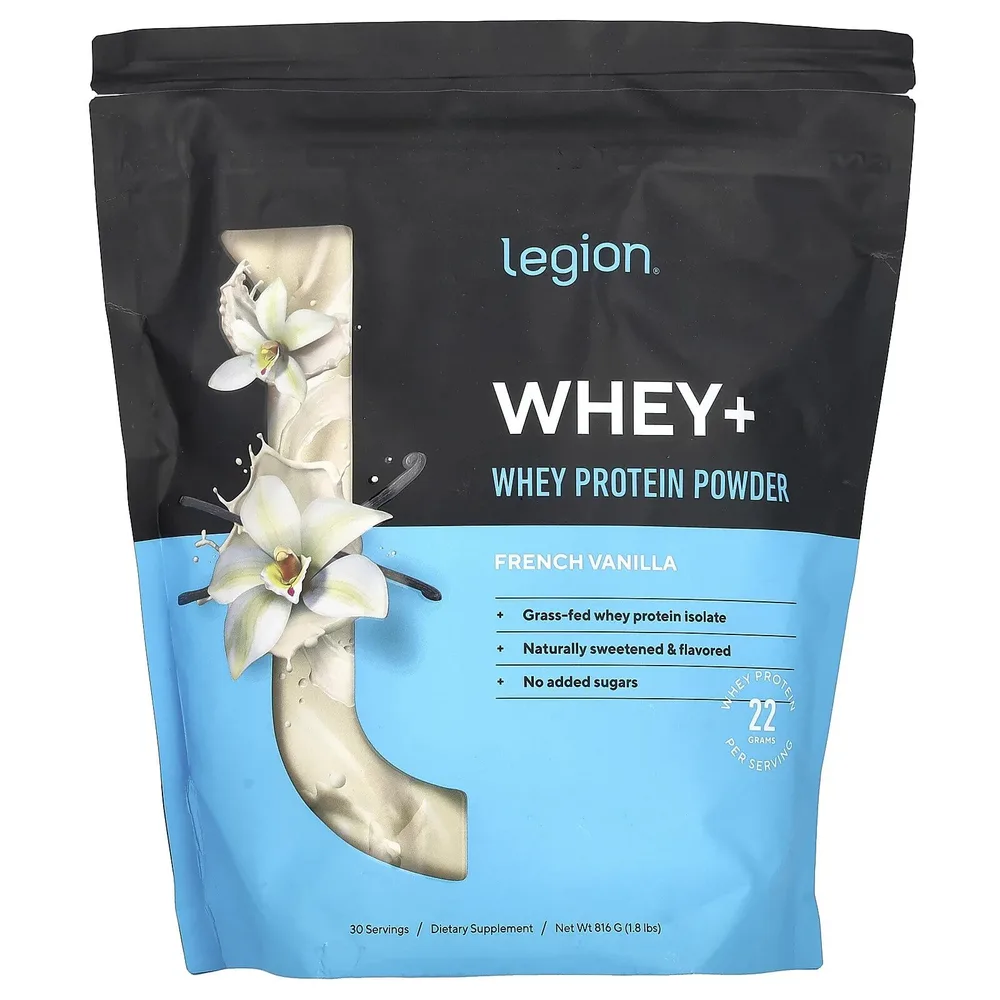
Legion’s range includes Whey+ Grass-Fed Whey Protein Isolate and Plant+ Plant-Based Protein. The Whey+ listing gives 22 grams of protein and 120 calories per serving and lists 26 flavors. The Plant+ listing shows six flavors; check its live Supplement Facts panel for protein, allergens, and sweeteners before ordering.
Legion says its products exclude artificial sweeteners, flavors, dyes, and fillers. The company also says its products are made in America with globally sourced ingredients in NSF-certified, FDA-inspected facilities that follow current Good Manufacturing Practice standards. Those details can reassure careful shoppers, but they can’t predict your personal taste or digestion.
Whey+ vs Plant+: Fast Comparison
| Option | Best fit | Verify |
|---|---|---|
| Whey+ isolate | Dairy-tolerant shoppers | Milk allergen, flavor, texture |
| Plant+ blend | Vegan or dairy-free diets | Protein grams, allergens, mouthfeel |
| Other protein | Special requirements | Certifications, testing, cost |
Whey+ is the simpler starting point if milk-based products sit well with you and you like a thinner shake. Plant+ is the natural first look for dairy-free shoppers, though plant blends can feel thicker or grainier. If vegan certification matters, confirm the current package wording instead of treating “plant-based” as a complete certification claim.
Want to see the current flavors and serving details side by side? Start with the live Legion protein listings.
Match the Powder to Your Routine
- Start with tolerance. Whey comes from milk. A milk allergy is a clear reason to avoid it, while lactose sensitivity varies from person to person.
- Match your eating pattern. Plant+ may suit vegan or dairy-free diets. Read the allergen and facility statements if cross-contact matters.
- Think about texture. Whey often feels smoother. Plant powder may need a blender, fruit, or a milk alternative to reach your preferred consistency.
- Consider real use. Powder fills a protein gap; it isn’t mandatory if meals already cover your needs.
Picture leaving work with ten minutes before the gym. A shake that mixes quickly may beat a theoretically perfect tub left at home. During school pickup, a familiar flavor can matter more than another clever-sounding ingredient. And if you travel, try a small serving with plain water first; discovering a gritty texture at the airport is a small headache you can skip.
Once you know which type fits, confirm the label and purchase terms before committing to a large order.
One Label and Checkout Check
Compare protein per serving and servings per tub, then calculate cost per serving using the final checkout total. Include shipping, taxes, subscriptions, bundles, and cancellation steps. Legion advertises a 100% money-back guarantee, but terms can change, so read the current conditions. A headline discount that quietly becomes a recurring order isn’t exactly a bargain.
Who Should Compare Alternatives?
Look at other brands if you need ready-to-drink bottles, a basic low-cost concentrate, a sport-specific certification, stricter allergy controls, or a medical nutrition formula. People with kidney disease, pregnancy-related nutrition needs, significant allergies, or medication questions should ask a qualified healthcare professional before adding protein powder.
Flaws but Not Dealbreakers
- Plant texture: It may be thicker or grainier than whey.
- Sweetness varies: No artificial sweeteners doesn’t mean unsweetened.
- Flavor commitment: A large tub is a lot of one taste.
- Label changes: Recheck ingredients and serving details before reordering.
Choose the smallest practical size when possible. Your future self will thank you if the first flavor turns out to be merely “fine.”
Ready to review the current options and terms? The Legion product page has the details that matter for your exact flavor.
FAQ
Is Whey+ suitable for lactose intolerance?
Whey isolate is often lower in lactose than concentrate, but it still comes from milk and tolerance differs. Anyone with a milk allergy should avoid it.
Is Plant+ automatically better?
No. Plant+ can fit dairy-free or vegan eating, while others prefer whey’s texture. Compare the current label with your digestion and dietary needs.
How can I improve plant-protein texture?
Use a blender, colder liquid, fruit, or a milk alternative. Letting the shake sit briefly can also soften the initial graininess.
Can protein powder replace meals?
Usually not. A shake can fill a protein gap, but whole foods provide fiber and other nutrients. For meal replacement or weight-management plans, get professional advice.
Final Recommendation
Choose Legion Whey+ if dairy suits you and the listed 22-gram, 120-calorie serving and flavor range match your routine. Choose Plant+ if avoiding dairy is essential and its current label meets your protein and allergen requirements. The best powder is the one you’ll use consistently, not the one with the flashiest tub.
Dietary supplements aren’t medical advice or a diagnosis. Consult a qualified healthcare professional about allergies, pregnancy, kidney conditions, medications, treatment, or care plans. Don’t change supplements, medications, prescribed treatment, or ongoing care based only on a protein powder label. The FDA dietary supplement information offers general safety guidance.
Affiliate disclosure: BiggirlinBusiness may earn a commission if you purchase through links in this article, at no extra cost to you.