Litecraft is a UK lighting specialist that sells ceiling lights, wall lights, lamps, outdoor fittings, and commercial fixtures online and through trade channels. For many shoppers, the first surprise is how wide the catalogue really is: decorative pendants, flush fittings, bathroom-rated designs, and LED panels all sit in one place, which makes comparison easier but decision-making harder.
Table of Contents
- 1. Measure Your Space Before You Open a Single Product Page
- 2. Match the Finish and Shape to What Already Works in the Room
- Why Finish Consistency Beats Matchy-Matchy Decor
- 3. Check Lumens, Colour Temperature, and Bulb Cap Before You Buy
- 4. Compare Delivered Price and Availability Across Channels
- 5. Confirm Installation Requirements and Bathroom Ratings in Advance
- Why IP Ratings Matter in Kitchens, Bathrooms, and Outdoors
- Does Litecraft offer a trade account or bulk discount?
- Where does Litecraft deliver, and are large fittings handled differently?
- Can I return a fitting if the finish looks different in person?
- Are replacement shades and spare glass available?
- Do bathroom and outdoor Litecraft lights need an electrician even if the wiring is existing?
- Conclusion
The real problem is not finding a light. It is matching the right fitting to your room size, ceiling height, bulb type, finish, and budget without ordering the wrong item. Below are five practical secrets to shopping with less guesswork, plus the specific checks that help you avoid returns and installation surprises.
1. Measure Your Space Before You Open a Single Product Page
The fastest way to avoid returns when shopping at Litecraft is to measure your ceiling height, room width, and clear wall space before browsing. A common scenario: a buyer falls in love with a large chandelier, but a low ceiling leaves the fitting too close to head height.
Lighting guides consistently recommend that pendant drop, table clearance, and shade diameter should be driven by room proportions rather than the product photo alone. In practice, a flush or semi-flush fitting often works better under lower ceilings, while taller hallways can carry a multi-tier pendant.
Trade buyers often start with dimensions because a fitting that looks balanced in a showroom can overwhelm a small room at home. Check the dimension tab on every Litecraft product page and write down three numbers: minimum drop, maximum drop, and shade width.
Measure the height of door openings and the distance between furniture and the light point as well, especially above dining tables and bedside tables.
How to apply this: use a tape measure before checkout and enter your ceiling height or maximum drop as a filter when searching the Litecraft range.
2. Match the Finish and Shape to What Already Works in the Room
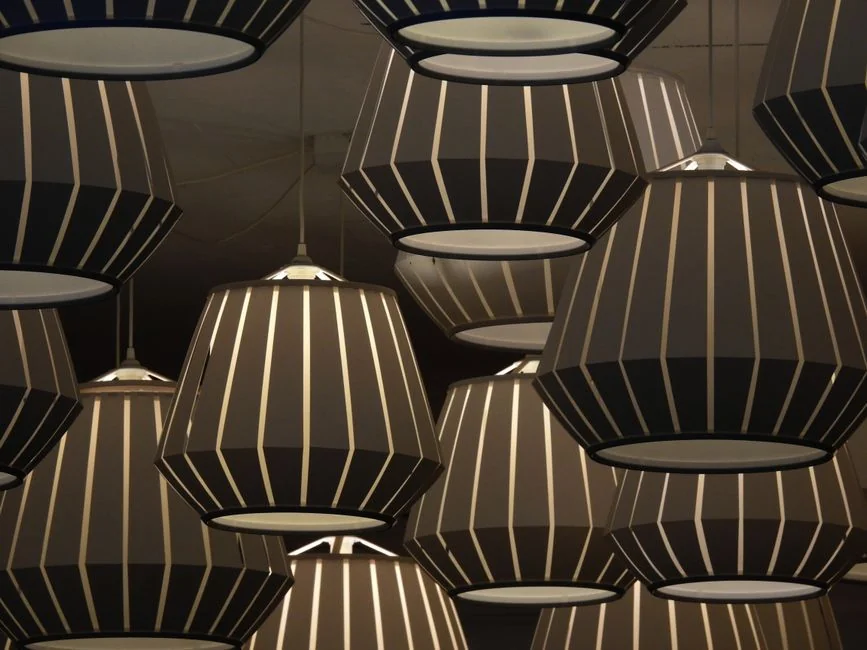
One of the simplest ways to buy the right fitting from Litecraft is to repeat a finish or material that already exists in the room, such as brushed brass, matte black, chrome, or natural wood.
Why Finish Consistency Beats Matchy-Matchy Decor
Interior trade professionals often recommend using one repeated metal finish across door handles, curtain poles, and light fittings. It creates a deliberate look without every item being identical.
A common scenario is a room with black cabinet handles and a chrome pendant; the mismatch feels accidental. Product filters on the Litecraft experience let you narrow by colour and material, which is faster than scrolling through every category.
If you have saved a photo of a light you like, use Google Lens to identify the shape or a similar product before you search. The Litecraft search bar also works well when you type the material name plus the room type, such as “black brass living room pendant.”
How to apply this: choose no more than two metal finishes per room, then use the same finish word in a Litecraft filter search.
Visit the Litecraft Official Website →
3. Check Lumens, Colour Temperature, and Bulb Cap Before You Buy
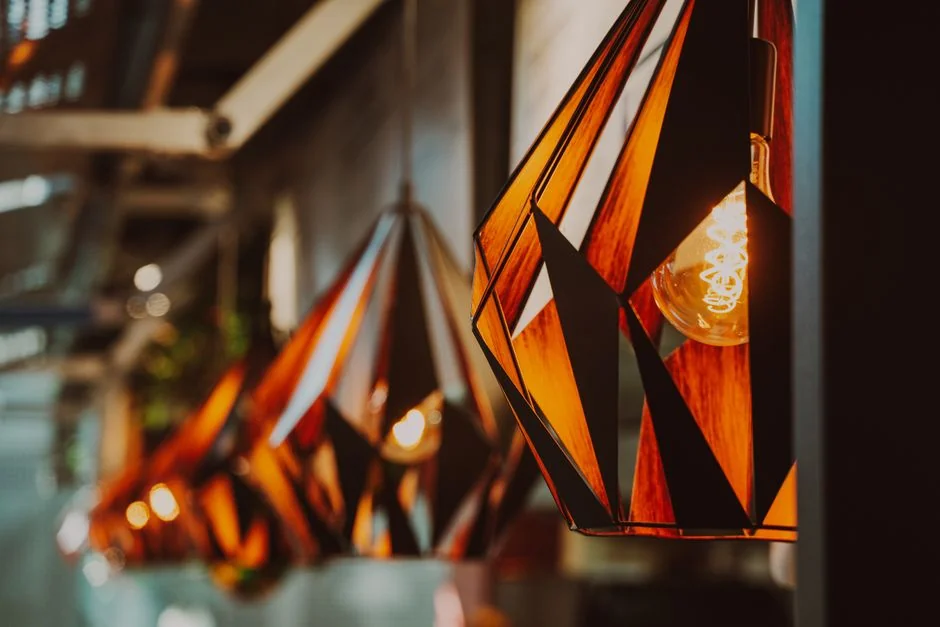
The product photo only tells you how a fitting looks; the real performance check on Litecraft is reading the specification for lumens, colour temperature, and the bulb cap it accepts. Modern LED brightness is measured in lumens, not watts, and the right level depends on the task.
The Energy Saving Trust explains that replacing older halogen or incandescent bulbs with efficient LED equivalents can reduce lighting energy use while keeping similar brightness. Warm white, usually around 2,700K, suits living rooms and bedrooms; neutral to cool white can work better in kitchens, bathrooms, or workspaces.
A common oversight is ordering a fitting that needs a G9 capsule or a specific GU10 bulb, then finding out after delivery that you have the wrong cap at home. Litecraft product pages usually list the required cap type, maximum wattage, and whether a bulb is included in the specification tab.
Add a note to your basket with the bulb code: E27, B22, GU10, or integrated LED.
| Room | Best colour temperature | What to confirm on a Litecraft listing |
|---|---|---|
| Living room | Warm white | Dimmable ceiling light |
| Kitchen | Neutral to cool white | High-output downlights |
| Bedroom | Warm white | Low-glare pendant |
| Bathroom | Neutral white | IP44 or higher rating |
How to apply this: on the product page, scroll to the specification tab and confirm the cap type and lumens before you complete checkout.
4. Compare Delivered Price and Availability Across Channels
A lower headline price on a Litecraft fitting can become a false saving if delivery, lead time, or stock availability pushes the real cost higher. The same branded fitting may appear on the manufacturer site, a marketplace listing, and a trade counter with different delivery terms.
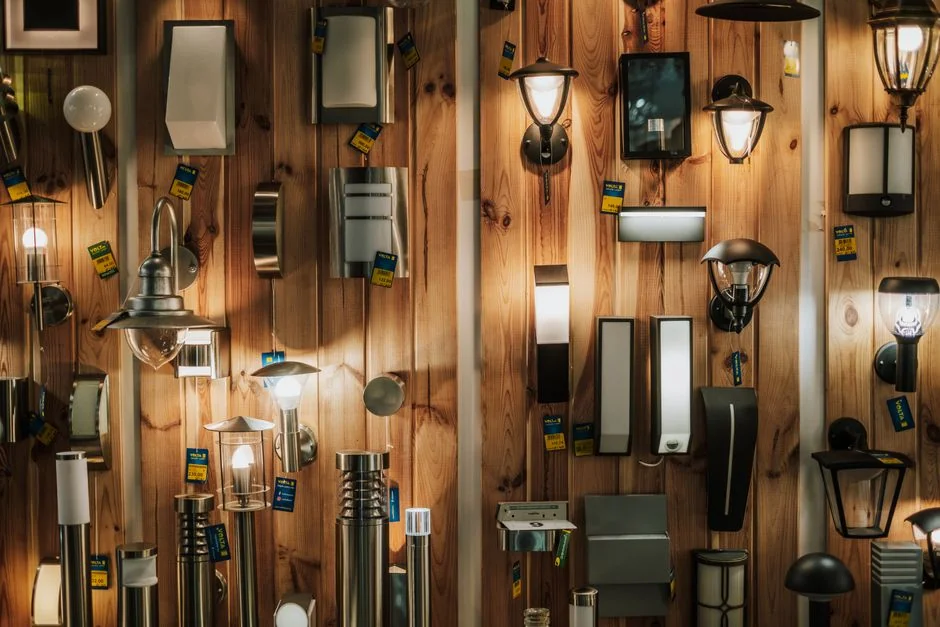
A practical way to check this is to open Google Shopping and compare the total delivered price, not just the unit price. You can also read verified delivery feedback on Trustpilot, where buyers often mention how quickly a light arrived and whether the packaging prevented damage.
If you are ordering from Litecraft for a renovation, check the stated dispatch window on the product page because made-to-order or trade items can have longer lead times than ready-stocked fittings.
| Factor | What to check | Action to take |
|---|---|---|
| Price | Unit cost vs delivered total | Compare Google Shopping totals |
| Stock | Ready-stocked or made-to-order | Check dispatch window on Litecraft |
| Delivery | Fragile or oversized handling | Read recent courier feedback |
| Returns | Unused and original packaging | Read policy before installing |
| Trade | Bulk or account pricing | Ask about trade terms directly |
How to apply this: run the same fitting through a shopping comparison and note the dispatch estimate shown on the Litecraft listing.
5. Confirm Installation Requirements and Bathroom Ratings in Advance
The final secret is to check how a Litecraft fitting is installed and whether it meets the safety rating required for the room before you confirm your order.
Why IP Ratings Matter in Kitchens, Bathrooms, and Outdoors
Electrical Safety First, the UK charity for electrical safety, states that light fittings in certain zones need the correct level of protection against moisture and that fixed electrical work should be carried out by a competent person.
In a bathroom, the area directly above a shower or bath usually calls for a fitting rated at IP44 or higher, while zones further from water may allow a lower rating. A flush ceiling light listed as bathroom-safe on a Litecraft product page will normally state its IP rating and the zone it suits.
A common mistake is assuming every outdoor light can be exposed to rain; only fittings with the right IP rating and appropriate sealing should be mounted on an exposed wall. If you are not replacing like for like, ask a registered electrician to check your circuit, especially in older properties where earthing and wiring may not match modern fittings.
How to apply this: before buying, Electrical Safety First suggests checking the room zone and fitting rating; if in doubt, book a registered electrician rather than guessing.
Visit the Litecraft Official Website →
Frequently Asked Questions About Litecraft
Does Litecraft offer a trade account or bulk discount?
Trade and bulk pricing depend on the account type and order value. If you are a contractor or interior designer, contact Litecraft directly with your company details and project quantities; some trade counters offer tiered pricing, but the exact terms are not always published online.
A direct account enquiry is the cleanest way to find out rather than assuming a standard retail discount applies.
Where does Litecraft deliver, and are large fittings handled differently?
Delivery coverage varies by product weight, size, and delivery address; some oversized or fragile glass fittings may ship on a pallet or with specialist couriers. If you live in a remote postcode, check the delivery estimate on the Litecraft listing before ordering. For large orders, a pallet delivery may require someone available to sign rather than a standard doorstep drop.
Can I return a fitting if the finish looks different in person?
Finish appearance can shift under different screen settings and room lighting, which is why returns are useful. Litecraft may require the item to be unused, in original packaging, and within a set window, so do not install it until you have checked the finish in daylight.
Some clearance or made-to-order lines may be non-returnable, so check the listing before you commit.
Are replacement shades and spare glass available?
Spare parts are not guaranteed for every range. If you crack a glass shade later, contact Litecraft with the product code or order number and ask whether a replacement is available.
In many cases, the answer depends on whether the supplier still produces that range, so buying a spare at the same time may be cheaper than sourcing one years later.
Do bathroom and outdoor Litecraft lights need an electrician even if the wiring is existing?
Replacing a like-for-like fitting is often simpler, but new installations or changes in bathroom zones usually need a registered electrician. The main exception is a plug-in or low-voltage fitting that does not require fixed wiring. Always check the installation guide and the zone diagram before starting, because moisture exposure changes the safety requirements even when the circuit already works.
Conclusion
Litecraft works best when you treat the product page as a specification sheet, not just a photo gallery. The choices become easier when you measure first, match a finish, check the technical details, compare total cost, and confirm installation safety before buying.
– Measure ceiling height, shade width, and room scale before adding anything to the basket.
– Match at least one finish to existing hardware and use image search to identify unknown designs.
– Confirm lumens, colour temperature, bulb cap, and IP rating before checkout.
– Compare total delivered price across channels and read recent delivery feedback.
Start with one room: open Litecraft, pick a fitting you already like, and run it through the checklist above before you buy.
Visit the Litecraft Official Website →