Thinx Period Underwear has transformed how millions of people manage menstruation—offering leak-proof protection without the hassle of traditional pads or tampons. The brand has grown to serve over 2 million customers worldwide, with a product line that spans different absorbency levels for various flow intensities.
Yet many people remain unsure whether Thinx is right for them, how to use it effectively, or what alternatives exist. This guide covers everything you need to know to make an informed decision and maximize your experience if you choose to switch.
Table of Contents
- How Thinx Period Underwear Works
- Understanding Absorbency Levels
- Care and Durability
- Real-World Performance and Comfort
- Temperature and Activity Considerations
- Cost Comparison: Thinx vs. Traditional Methods
- Choosing Between Thinx and Alternatives
- Sustainability and Environmental Impact
- Getting Started: Setup and First Wear
- Troubleshooting Common Issues
- Are Thinx Period Underwear suitable for very heavy flows?
- Can you wear Thinx Period Underwear while swimming or in water?
- How often should you replace Thinx Period Underwear?
- Do Thinx Period Underwear work for people with sensitive skin?
- Can men or non-menstruating people wear Thinx Period Underwear?
- Conclusion
How Thinx Period Underwear Works
Thinx uses a proprietary four-layer moisture-wicking system designed to absorb menstrual fluid while keeping your skin dry. The technology relies on a blend of nylon, spandex, and gelling fibers that trap fluid and neutralize odor without feeling bulky or uncomfortable.
Each pair is engineered to hold roughly the equivalent of two tampons’ worth of fluid, depending on the style you choose.
The company tests all products rigorously—Thinx Period Underwear undergoes testing in real-world conditions to ensure reliability across different body types and flow levels. The absorbent layer sits between a moisture-wicking top layer and a waterproof backing, creating a barrier that prevents leaks while allowing breathability.
How to apply this: start by choosing the correct absorbency level for your typical flow, then wash your pair in cold water after wearing to extend its lifespan.
Understanding Absorbency Levels
Thinx offers multiple styles tailored to different menstrual flows. The Hiphugger is designed for light flows, the Brief for moderate flows, and the Boyshort for heavier flows—with each style rated for a specific capacity. Choosing the right absorbency level ensures you stay protected without overpaying for unnecessary capacity.
How to apply this: track your flow for one cycle before purchasing to determine which style matches your needs.
Care and Durability
Proper care extends the life of your Thinx Period Underwear significantly. Rinse each pair in cold water immediately after wearing, then machine wash on a gentle cycle and air dry. Avoid fabric softener and heat, as these damage the moisture-wicking properties. Most pairs retain their effectiveness for 2-3 years with proper maintenance, making them a cost-effective long-term investment.
Real-World Performance and Comfort
Many wearers report that Thinx Period Underwear feels nearly identical to regular underwear, making the transition from disposable products seamless. The fabric is soft against the skin and doesn’t create visible panty lines under most clothing—an advantage over bulkier pad alternatives. Performance during sleep is particularly praised, with users noting fewer nighttime leaks compared to traditional methods.
Comfort varies based on fit and personal preference. Some people find certain styles more comfortable than others; for instance, briefs offer full coverage while boyshorts provide higher leg openings for those who find traditional underwear restrictive.
How to apply this: order multiple styles in your size to test which feels best during your next cycle before committing to a larger purchase.
Temperature and Activity Considerations
Thinx Period Underwear maintains its protective function across a range of temperatures and activity levels. Whether you’re sitting at a desk, exercising, or swimming, the moisture-wicking technology continues working as designed. However, performance in cold water—such as ocean swimming—may vary slightly, as the fabric stiffens temporarily in extreme cold before regaining normal flexibility once warmed.
Cost Comparison: Thinx vs. Traditional Methods
| Method | Cost per Period | Annual Cost (12 cycles) | Lifespan | Environmental Impact |
|---|---|---|---|---|
| Thinx Period Underwear | $10–$15 (amortized) | $120–$180 | 2–3 years | Minimal; reusable |
| Disposable pads | $8–$12 | $96–$144 | Single use | High plastic waste |
| Tampons (brand name) | $10–$15 | $120–$180 | Single use | Moderate waste |
| Menstrual cup | $25–$40 | $25–$40 | 5–10 years | Minimal; reusable |
Thinx Period Underwear offers competitive pricing when spread across its 2–3 year lifespan. While the upfront cost ($34–$38 per pair) seems high compared to a single box of pads, the durability and reusability make it economical over time.
How to apply this: calculate your annual spending on your current menstrual products and compare it to the cost of 2–3 pairs of Thinx to see your potential savings.
Visit the Thinx Official Website →
Choosing Between Thinx and Alternatives
Several reusable and disposable options compete in the period-care market, each with distinct advantages. Menstrual cups like the DivaCup offer higher capacity and longer wear time (up to 12 hours) but require insertion—a barrier for some users who prefer external protection.
Disposable pads remain the most convenient option for people who want a product they use once and discard, though they generate plastic waste and require frequent replacement.
Thinx Period Underwear occupies a middle ground: it’s reusable and environmentally friendly like cups, yet requires no insertion and feels like regular underwear. Consider your lifestyle, comfort preferences, and environmental priorities when deciding. How to apply this: test one alternative method (cup, disc, or disposable pad brand) against Thinx during a single cycle to compare comfort and leak protection.
Sustainability and Environmental Impact
If environmental impact influences your choice, Thinx Period Underwear significantly reduces waste compared to disposables. A single pair worn for 2–3 years replaces hundreds of single-use pads or tampons that end up in landfills. The production of Thinx underwear does consume water and energy, but over its lifespan, the environmental footprint per period is substantially lower than disposable alternatives.
Getting Started: Setup and First Wear
Your first cycle wearing Thinx Period Underwear requires minimal preparation beyond ordering the correct size and absorbency level. Wash your new pair in cold water before first use to activate the moisture-wicking fibers. Put on your Thinx Period Underwear as you would regular underwear, making sure the gusset sits properly against your body for optimal protection.
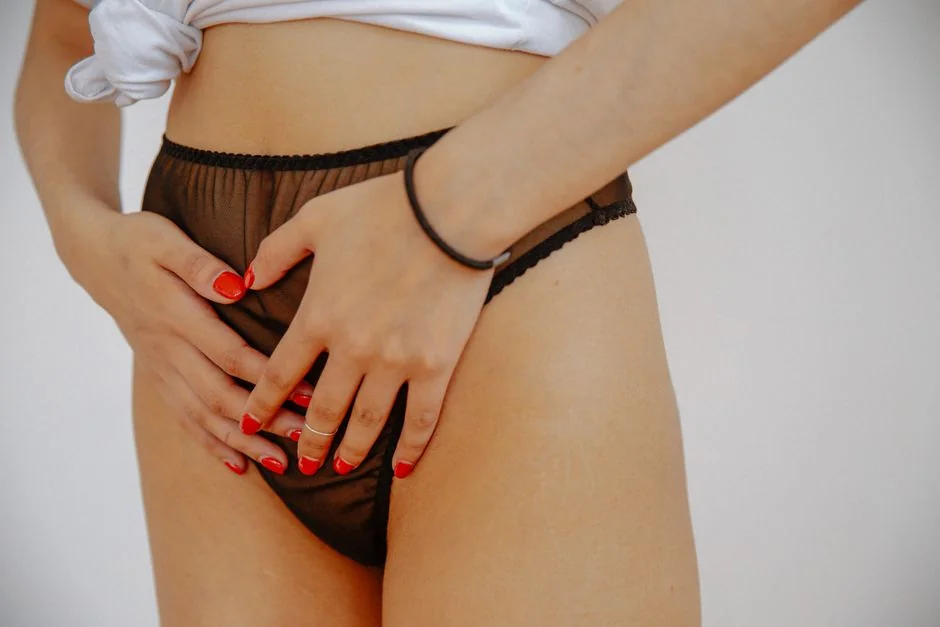
During your first day, wear your Thinx Period Underwear with a backup method—such as a pad or tampon—if you’re uncertain about its performance. This reduces anxiety and allows you to experience the product’s actual performance without stress. How to apply this: wear Thinx at home during your lightest flow day to test comfort and protection before relying on it exclusively.
Troubleshooting Common Issues
If you experience leaks, the most common causes are incorrect sizing or an absorbency level that doesn’t match your flow. Verify you’ve ordered the correct size using Thinx’s detailed sizing chart, and ensure the underwear sits snugly without bunching.
A pair that shifts during activity may leak not because the fabric fails, but because the gusset has moved away from your body. How to apply this: adjust your sizing or absorbency level after your first trial, then test again during your next cycle.
Visit the Thinx Official Website →
Frequently Asked Questions About Thinx Period Underwear
Are Thinx Period Underwear suitable for very heavy flows?
Thinx Period Underwear works best for moderate to light-moderate flows. If your flow is very heavy (soaking through a regular tampon within 1–2 hours), Thinx alone may not provide adequate protection without additional methods. Consider pairing Thinx Period Underwear with a menstrual cup or disc during your heaviest days for layered protection.
Some users with heavy flows report success wearing multiple pairs daily or combining Thinx with backup protection.
Can you wear Thinx Period Underwear while swimming or in water?
Yes, Thinx Period Underwear can be worn while swimming, though performance differs from wearing them on land. The water-resistant outer layer prevents fluid from leaking into your swimsuit, but the water itself enters the absorbent gusset and will eventually reach your skin if you remain in water for extended periods (over 30–45 minutes).
For longer water activities, pair Thinx with a menstrual cup or tampon for comprehensive protection, or limit water immersion to brief dips.
How often should you replace Thinx Period Underwear?
Most Thinx Period Underwear remains functional for 2–3 years with proper care, though absorbency may gradually diminish after 18–24 months of regular use. If you wear Thinx during every period and wash them after each use, expect to replace each pair around the 2-year mark.
Rotate between multiple pairs to extend the lifespan of your entire collection; wearing the same pair every period accelerates wear compared to alternating between 3–4 pairs.
Do Thinx Period Underwear work for people with sensitive skin?
Thinx Period Underwear is made from hypoallergenic materials and is safe for most people with sensitive skin. However, if you have severe latex allergies or sensitivities to nylon or spandex, test a single pair during a light flow day before purchasing multiple pairs.
Some users with very sensitive skin report that the moisture-wicking properties feel drying during extended wear; if this occurs, switch to a pair with a higher-absorbency style to reduce the duration of moisture contact.
Can men or non-menstruating people wear Thinx Period Underwear?
Yes—the technology works for anyone who experiences light to moderate fluid incontinence or desires discreet absorbent underwear. Thinx offers styles beyond period-specific designs, including Thinx for All, which is marketed toward people with light bladder leaks, postpartum recovery, or other uses. Thinx Period Underwear functions identically; the difference is purely in marketing and sizing options available in each product line.
Conclusion
Thinx Period Underwear offers a reusable, sustainable, and comfortable alternative to traditional disposable menstrual products. The technology is proven effective for moderate flows, the long-term cost is competitive with disposable methods, and the environmental impact is significantly lower than single-use alternatives.
Key takeaways:
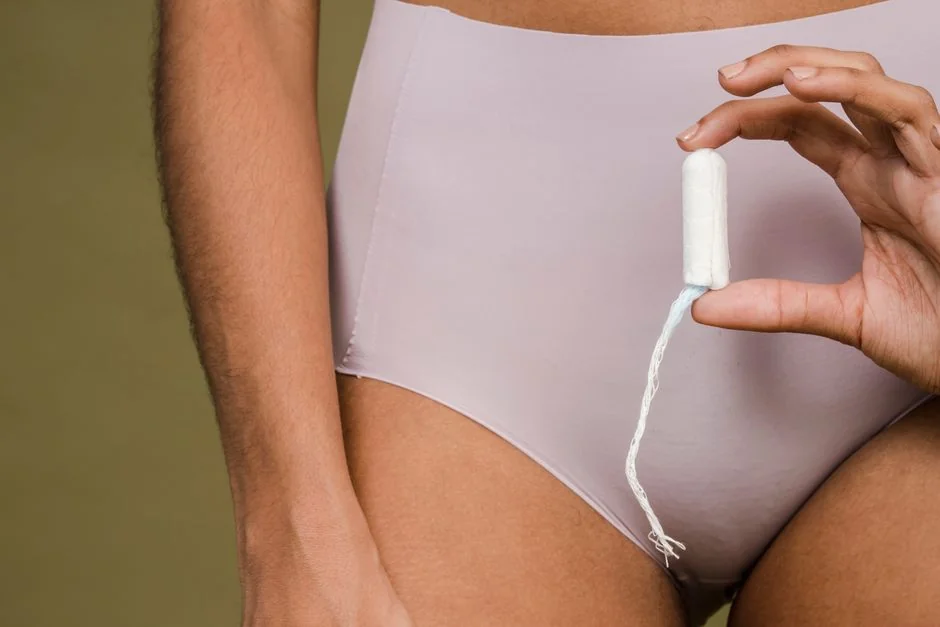
– Thinx Period Underwear uses a four-layer system to absorb fluid and prevent leaks for 2–3 years per pair.
– Choose your absorbency level based on your flow; most people need 2–3 pairs to rotate through each cycle.
– Over 2–3 years, Thinx is more economical than disposables and generates minimal waste.
– Performance during water exposure is limited; pair with additional protection for swimming or prolonged water contact.
Ready to try Thinx Period Underwear? Start with one pair in your correct size during a light flow day to test comfort and protection, then expand your collection if it meets your needs. The shift to reusable menstrual protection is personal—what works for one person may not work for another—so give yourself grace during the adjustment period.
Visit the Thinx Official Website →